Buying a home in New York is stressful enough. Then you get the home inspection report and suddenly it feels like everything is a problem and your once “dream home” is going to end up being a money pit.
A lot of buyers see a long list of findings and assume the house is falling apart. This is usually not the case.
The truth is, not all inspection findings carry the same weight. Some issues really matter. Others are just part of owning a home.
As a home inspector on Long Island, I break findings down by severity so clients can focus on what actually deserves attention. Knowing the difference between significant and minor issues can make post-inspection decisions a lot clearer. You can see some samples of my reports here.
How Home Inspection Severity Levels Work
Not every inspector uses the same labels, but the idea is the same: communicate risk and urgency without unnecessary alarm.
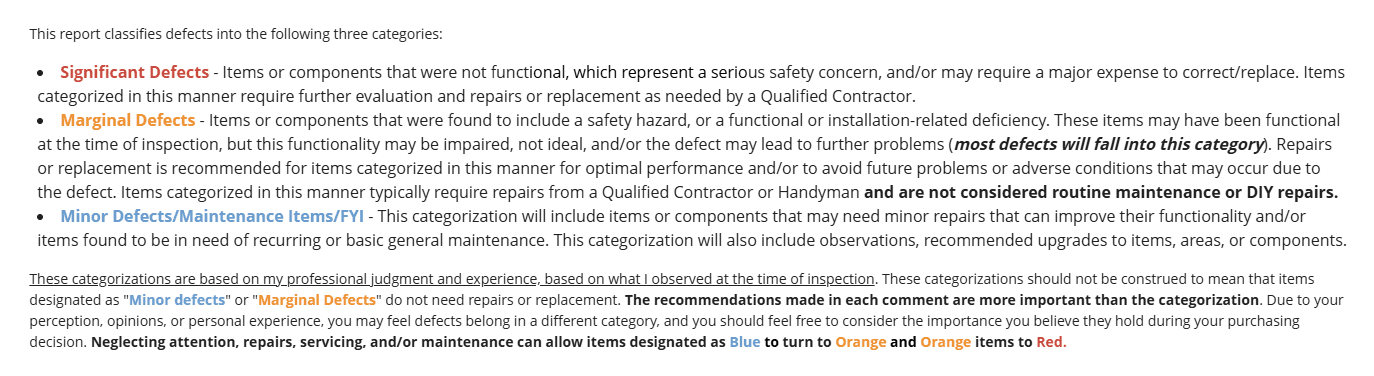
Here’s how I typically categorize findings:
- Significant: Issues that affect safety, structural integrity, water intrusion, or major systems. These usually need repair, further evaluation, or negotiation.
- Marginal: Items that aren’t urgent right now but could turn into bigger problems if they’re ignored.
- Minor: Common wear-and-tear items or small defects that are typical for the home’s age and condition. Many times, these can be D-I-Y fixes.
This article focuses on significant versus minor findings, since that’s where most of the confusion tends to be.
Significant Home Inspection Red Flags in NY Homes
These are the findings that warrant a closer look. They don’t automatically mean you should walk away from the house, but they definitely shouldn’t be brushed off.
1. Active Water Intrusion or Ongoing Moisture Issues
- Active roof leaks
- Basement or crawlspace water intrusion
- Widespread moisture behind walls or ceilings
Water problems are significant because they almost never resolve on their own. Left alone, they can lead to structural damage, mold growth, and costly repairs.
2. Structural Concerns
- Notable foundation movement or cracking
- Sagging floors or compromised framing
- Structural changes made without proper support
- Evidence of wood-destroying insects (WDI), such as termites or carpenter ants
Not every crack or insect finding is a problem. But when structural red flags show up, they often warrant evaluation by a licensed structural engineer. Sometimes that open-concept floor plan isn’t worth haphazardly removing a load-bearing wall.
3. Roof and Exterior Problems
- Severe shingle or tile deterioration
- Active leaks or water intrusion
- Sagging or damaged roof structure
- Very old roofing systems nearing the end of their service life
Roof issues can compromise the home’s structure and lead to water damage and costly repairs if not addressed.
4. Electrical Safety Hazards
- Overloaded circuits or panels
- Exposed or damaged wiring
- Improper grounding or bonding, if widespread or affecting multiple circuits
- Aluminum wiring in older homes
- Very outdated “knob-and-tube” wiring
- Federal Pacific or Zinsco-style electrical panels (discontinued/end-of-life)
Electrical issues like these are considered significant because they increase the risk of fire or electric shock and can be costly to remediate.
5. Major HVAC, Plumbing, or Mechanical Problems
- Heating systems that don’t operate properly
- Very old HVAC systems
- Unsafe boiler or furnace conditions
- Severely deteriorated or leaking plumbing lines
In New York, heating issues carry extra weight. A non-working or unsafe system isn’t something most buyers want to inherit and have to replace right away.
6. Safety Hazards
- Unsafe decks or balconies
- Missing or incorrectly installed stair handrails or guardrails
- Trip hazards at stairs or landings
These are significant because they present an immediate risk of injury and may require prompt repair to ensure safety.
Common Issues That Sound Scary – But Are Usually Minor
Some inspection findings look alarming on paper, especially if you’re not used to reading reports. In reality, many of these are routine.
1. Minor Electrical Items
- Missing GFCI outlets in older kitchens or bathrooms
- Reversed polarity at an outlet
- Non-functional switches or receptacles
These are typically straightforward fixes, not signs that the entire electrical system is failing.
2. Normal Wear and Tear
- Aging but still serviceable roof coverings
- Worn caulking or sealants
- Cosmetic cracks in drywall or plaster
These issues usually reflect age, not neglect.
3. Maintenance-Related Findings
- Dirty HVAC filters
- Minor exterior wood rot
- Slow-draining sinks
- Damaged gutter downspouts
These are usually inexpensive to address and shouldn’t drive major buying decisions.
4. Older Materials That Still Do Their Job
- Older windows that aren’t energy efficient
- Original fixtures or finishes
Outdated doesn’t automatically mean defective.
Why the Context Matters More Than the Page Count
A long inspection report doesn’t mean the house is in bad shape. Older homes, especially in New York where the housing supply is quite old, tend to generate longer reports simply because there’s more to comment on.
What really matters is:
- The type of issues found
- Whether they’re active or historical
- How realistic the repairs are
One significant issue can matter more than dozens of minor ones.
A detailed report often reflects a thorough home inspector’s goal to provide as much information as possible, helping buyers make informed decisions with confidence.
Do Significant Issues Mean You Should Walk Away?
Not necessarily. Many significant findings can be:
- Negotiated with the seller
- Addressed before closing
- Factored into the purchase price
The purpose of a home inspection isn’t to kill a deal. It’s to help you understand what you’re buying before you commit.
Concerned about potential red flags in a home you’re buying?
Schedule Your Professional Evaluation Today
Final Thoughts
An inspection report is a tool, not a verdict. When you understand the difference between significant and minor issues, it’s much easier to keep things in perspective.
If you’re buying a home in New York, work with an inspector who explains not just what was found, but why it matters and how these issues are typically handled. Learn more about my approach on my About Me page.
This kind of clarity goes a long way toward peace of mind.